The Art of Draping: Saree Styles Across India
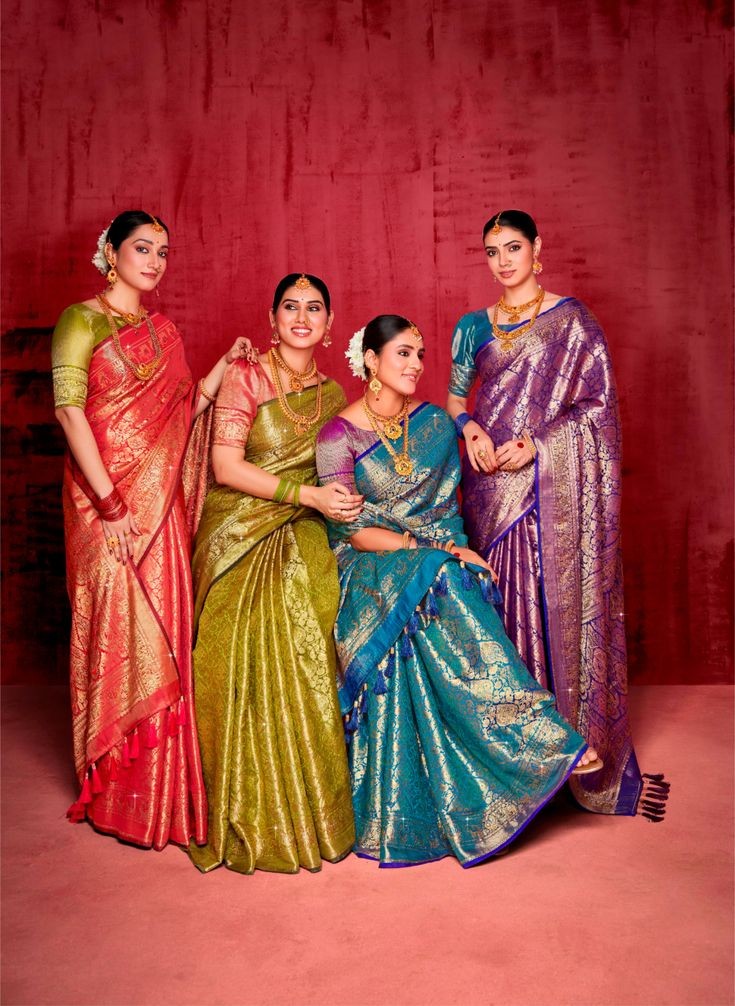
A saree is just a length of fabric until it's draped — and how it's draped is where India's regional diversity really shows. There are over a hundred documented draping styles across the country, each shaped by local climate, occupation, and tradition. Here are the ones you're most likely to encounter.
Nivi — The Most Common Drape
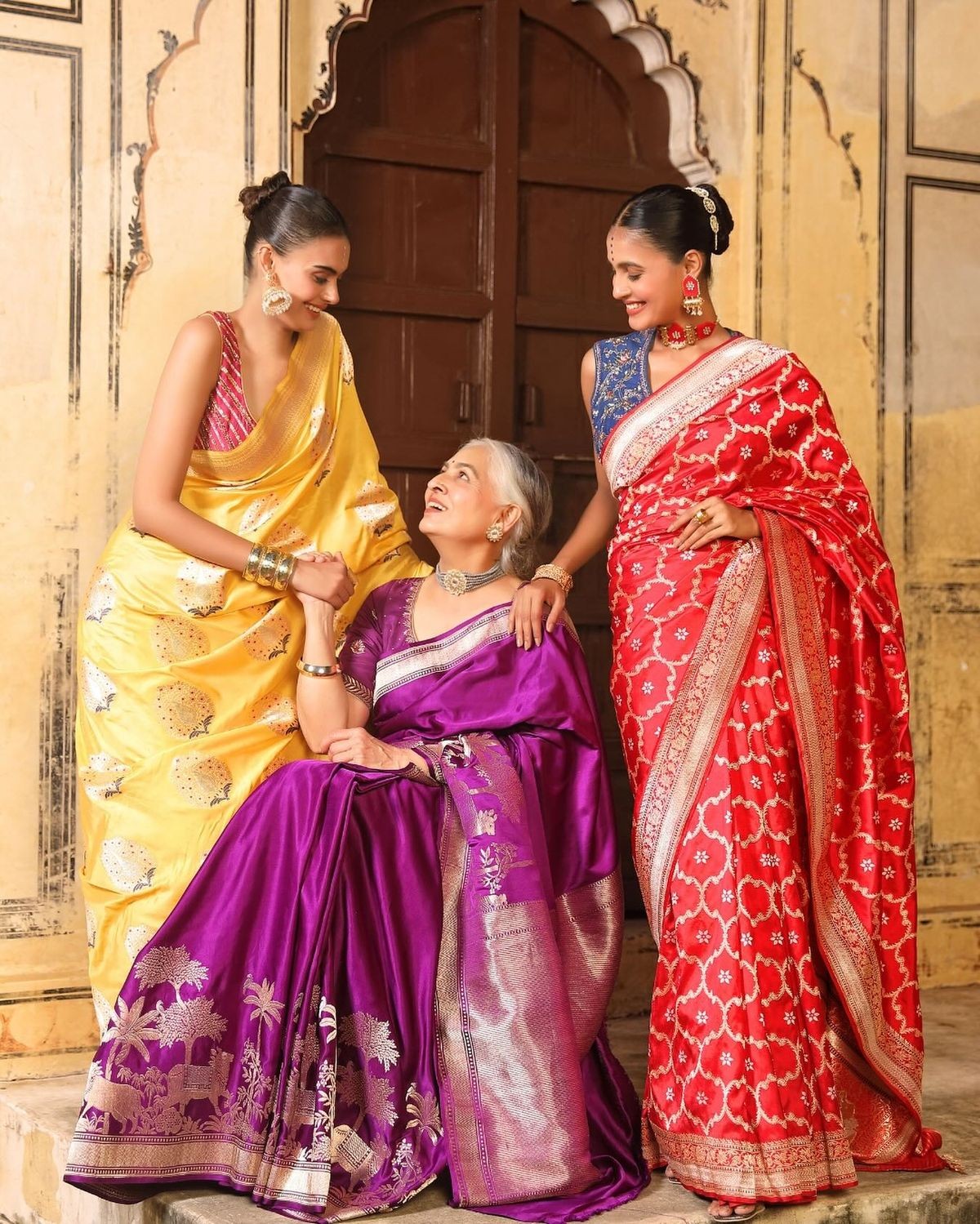
If you picture "how to wear a saree" in your head, you're probably picturing the Nivi drape — pleats tucked in at the front, the pallu draped over the left shoulder and left to hang or pinned in place. Originally from Andhra Pradesh, it became the default modern draping style across India largely because it's relatively quick to tie and works well with a wide range of blouse styles. Almost every saree in a contemporary Indian wardrobe is designed with a Nivi drape in mind.
Kanjivaram-Style Draping for Silk Sarees
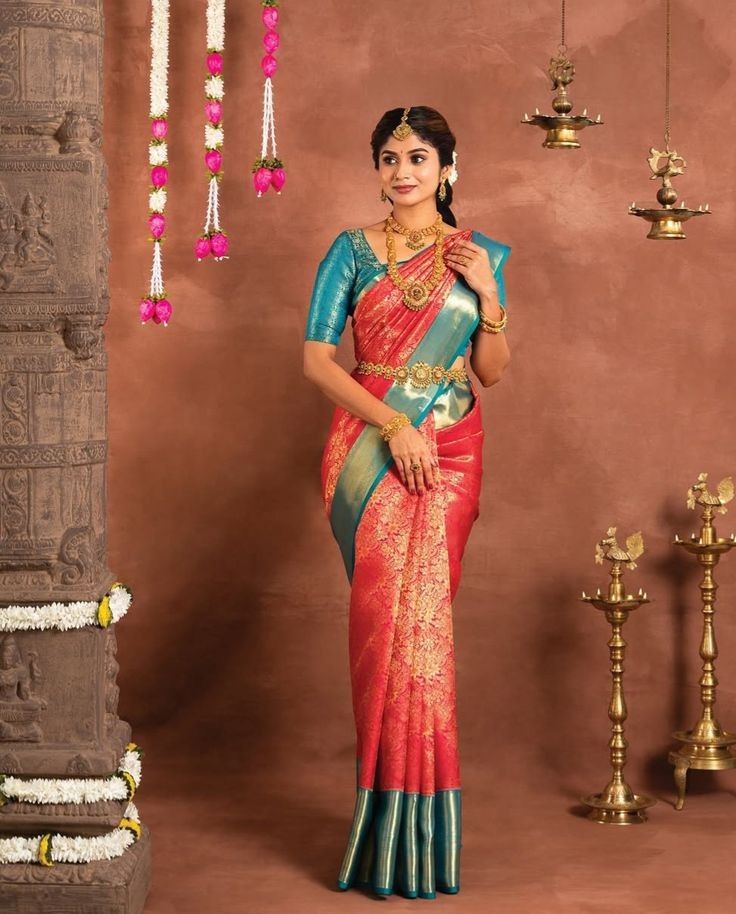
Heavier silk sarees like Kanchipuram silk are usually draped in a fuller version of the Nivi style, with wider, more structured pleats and the pallu pinned securely at the shoulder to support the fabric's weight through a long ceremony. Because the fabric itself is heavier and holds its shape, the pleats tend to sit crisper and closer together than they would on a lighter georgette or crepe.
Bengali Drape
The Bengali style skips the front pleats almost entirely, instead wrapping the fabric with a distinctive twist and pleat at the waist, and a wider, often more decorative pallu draped over the shoulder and sometimes brought back around to the front. Keys — a bunch tied into the pallu's edge — were traditionally worn as a practical, symbolic detail. It's a drape you'll still see widely at Bengali weddings and Durga Puja celebrations.
Gujarati / Seedha Pallu Drape
The defining difference here is the pallu direction — instead of draping over the left shoulder and hanging down the back, the pallu is brought from the back over the right shoulder and displayed prominently across the front. This is particularly well suited to sarees with an elaborately embroidered or woven pallu, since it puts that detailing on full display rather than letting it fall behind the wearer.
Maharashtrian / Nauvari Drape
One of the most distinct regional styles, the nine-yard Nauvari drape is tied dhoti-style, with the fabric passed between the legs and tucked at the back — originally a practical style that allowed freedom of movement for work and dance. It uses a longer saree than the standard six yards and is still worn at traditional Maharashtrian weddings and classical dance performances like Lavani.
Choosing a Drape for Your Saree
As a general rule, structured silk sarees with a heavy border (like Kanchipuram) hold their pleats best in a classic Nivi drape with a pinned pallu. Lighter, more fluid fabrics like crepe and georgette drape beautifully in a Nivi style too, but can also carry a looser, more contemporary pallu style — draped forward, gathered at the shoulder, or even left completely open — since the fabric's natural movement does a lot of the visual work on its own.