
How to Care for Your Silk Saree: Tips to Preserve Its Beauty
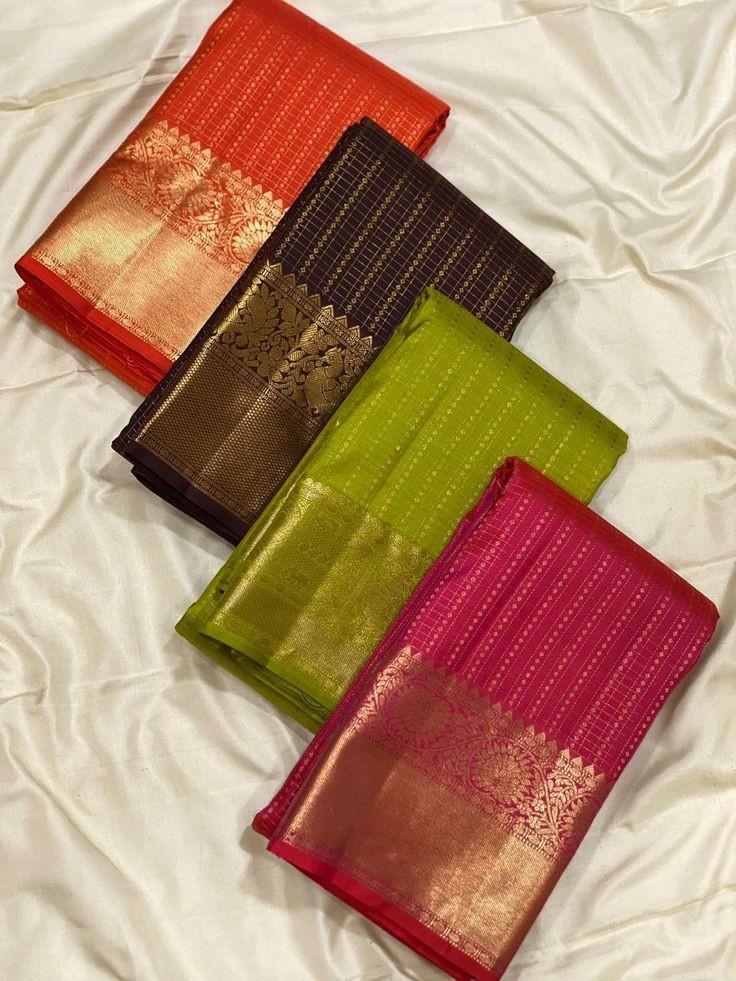
A well-made silk saree is one of the few pieces of clothing genuinely built to outlast its first owner — plenty of the sarees worn at weddings today were originally woven for a grandmother or great-aunt. That kind of longevity isn't automatic, though; it depends on how the saree is cleaned, stored, and handled between wears. Here's what actually matters.
Cleaning: When to Dry Clean, When You Can Skip It
Pure silk — especially heavier weaves like Kanchipuram — should almost always be dry cleaned rather than washed at home, since water can affect the zari's shine and cause the dye to bleed or the fabric to lose its structured drape. Lighter fabrics like crepe and georgette are a little more forgiving; a gentle hand wash in cold water with a mild detergent is usually fine, but always test on an inside seam first, and never wring the fabric — press the water out gently instead.
A saree doesn't need to be dry cleaned after every single wear. If it was worn for a few hours without spills or heavy perspiration, airing it out in the shade is often enough before it goes back into storage.
Drying and Ironing
- Always dry silk in the shade, never in direct sunlight — UV exposure fades silk's natural colour faster than almost anything else
- Iron on a low or silk-specific heat setting, always on the reverse side of the fabric
- Place a plain cotton cloth between the iron and the saree if ironing zari work directly, to protect the metallic thread from heat damage
- Never iron directly over sequins, stone work, or heavy embroidery
Storage: The Part Most People Get Wrong
The single biggest mistake in saree storage is leaving one folded in the same creases for months or years at a time — the fabric fibres weaken exactly along the fold lines, and you'll eventually see the silk crack or the zari discolour precisely where it was creased. Refold your silk sarees every few months along slightly different lines to avoid permanent stress on one set of creases.
Store sarees flat or loosely rolled rather than tightly folded where possible, wrapped in a breathable muslin or cotton cloth rather than plastic — plastic traps moisture, which is what actually causes the yellowing and mildew people usually blame on "old age." A cool, dry cupboard away from direct sunlight is ideal; avoid damp spaces like a bathroom-adjacent wardrobe.
Dealing with Zari Tarnish
Over time, especially in humid climates, the metallic zari thread on silk borders can tarnish and dull. This is largely unavoidable with age, but slows down significantly if the saree is kept away from moisture and direct sunlight, and if it isn't stored pressed tightly against other sarees or hard surfaces that could cause friction on the zari.
A Quick Seasonal Checklist
- Air out stored sarees in the shade every few months, even ones you haven't worn
- Refold along new lines each time to prevent permanent crease damage
- Check for any early signs of insect damage — silk is a natural fibre and can attract moths in long-term storage
- Keep a few neem leaves or silica gel packets (not mothballs, which can leave a smell and residue) in your storage cupboard
Handled this way, a good silk saree isn't a piece of clothing you'll wear a handful of times and retire — it's one you can realistically hand down.