A Complete Guide to Types of Indian Sarees
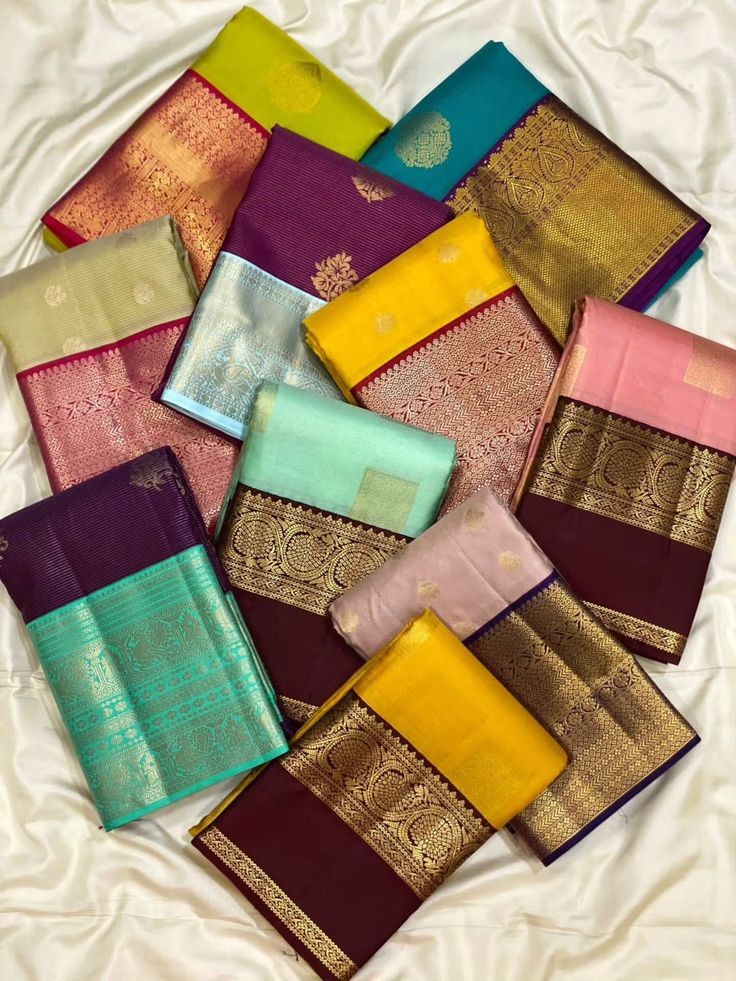
"Saree" isn't one fabric or one style — it's a six-to-nine-metre canvas that different regions and weaving traditions across India have interpreted in dozens of distinct ways. If you've ever stood in front of a saree rack unsure what separates a Kanchipuram from a Banarasi, or a crepe from a georgette, here's a straightforward guide.
Pure Silk (Handloom)
The broadest category — any saree handwoven from natural mulberry or tussar silk thread, without a more specific regional technique attached to the name. Handloom silk sarees tend to have a slightly heavier, more textured hand-feel than machine-woven silk, and small irregularities in the weave are a mark of authenticity, not a flaw. Best for festive occasions, weddings, and anywhere you want visible richness.
Kanchipuram Silk
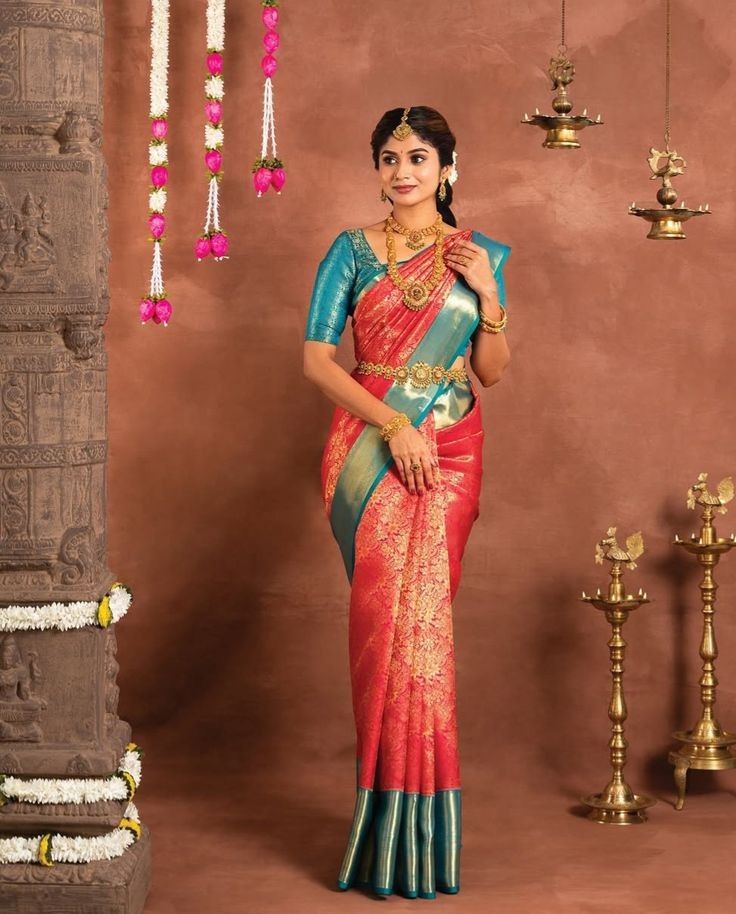
A specific, protected style of silk weaving from Kanchipuram, Tamil Nadu, known for its korvai technique (where the border is woven separately and interlocked with the body) and rich contrast colour palettes with gold zari borders. It's the heaviest and most structured of the silk sarees, which is exactly why it's the default choice for South Indian weddings — the drape holds its shape beautifully for long ceremonies.
Pure Crepe Silk
Crepe silk is woven with a tighter twist in the yarn, which gives the fabric its signature slightly crinkled surface texture and a noticeably fluid, body-skimming drape compared to the structured stiffness of Kanchipuram silk. It's lighter to wear for long hours, drapes closer to the body, and photographs beautifully in motion — a favourite for receptions, sangeet functions, and evening events where you want elegance without the weight of a heavier silk.
Banarasi Georgette
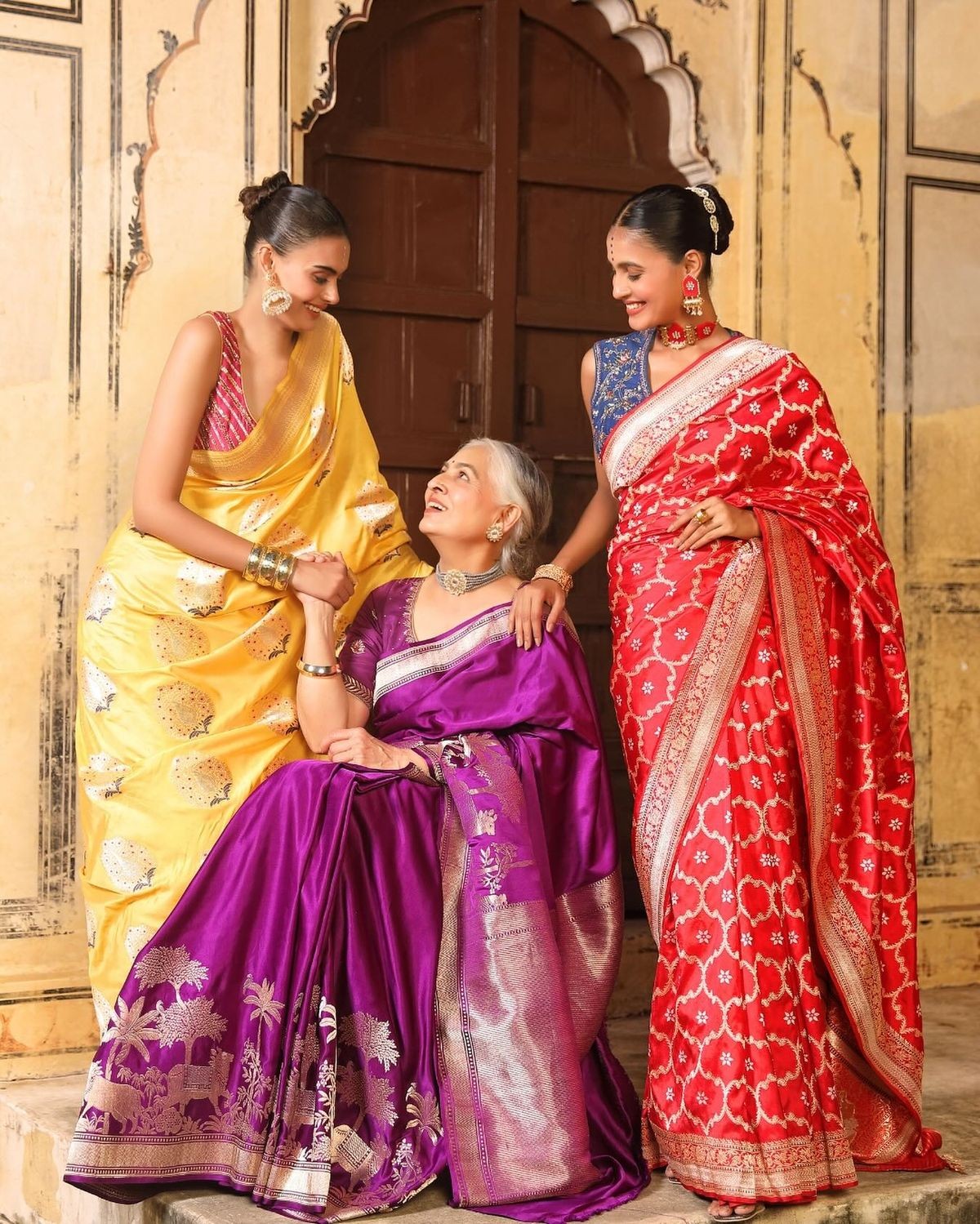
Georgette is a lightweight, slightly sheer fabric with a subtle crepe-like texture of its own, woven here in the Banarasi tradition — meaning it borrows the ornate brocade patterns and zari work historically associated with Banarasi (Varanasi) silk weaving, but on a much lighter georgette base. The result is a saree with intricate, traditional-looking motifs that's genuinely comfortable for long daytime wear, making it popular for mehndi functions, festive daywear, and everyday festive occasions.
Chinon Georgette
A slightly finer, smoother variant of georgette, Chinon has a subtler sheen and a softer fall than standard georgette. It takes prints and woven borders equally well and is often the choice when you want a georgette saree that leans slightly more formal or fluid in its drape.
Quick Reference: Which Saree for Which Occasion
- Wedding ceremony / main event — Kanchipuram Silk
- Reception / evening function — Pure Crepe Silk
- Mehndi, sangeet, daytime festive — Banarasi or Chinon Georgette
- Puja, family gathering, everyday festive — Handloom Silk or lighter georgette
None of these are strict rules — the best saree for an occasion is ultimately the one you feel most yourself in. But if you're shopping with a specific event in mind, matching the fabric's weight and drape to how long you'll be wearing it, and how much movement you'll need, is the most useful place to start.